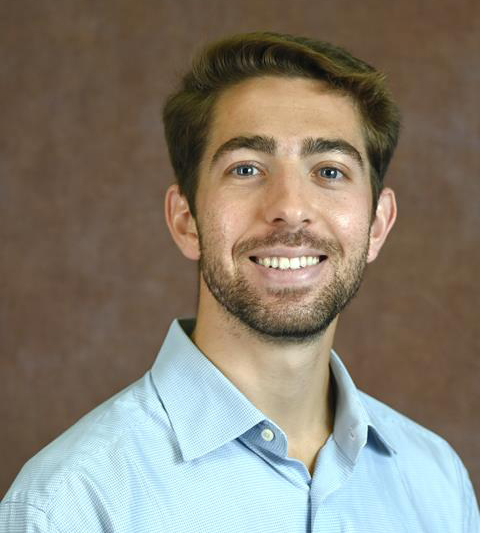
Benjamin Popokh
Benjamin Popokh is a medical student at the University of Texas Southwestern. He is a 2026 recipient of a STFM Foundation Medical Student Scholarship.
Benjamin's Family Medicine Story
I am a 4th-year medical student at the University of Texas Southwestern (UT Southwestern) Medical School. I grew up in Plano, TX, the son of hard-working immigrants who taught me the value of perseverance, community, and service. My path to medicine began with a deeply personal experience: my cousin Sasha’s battle with brain cancer. Witnessing Sasha’s courage and the dedication of his care team inspired me to pursue a career where I could combine skill and compassion for patients facing life’s most difficult moments.
At the University of Texas at Austin, I studied biology and neuroscience, served as a teaching assistant, worked as a medical assistant, and taught CPR and lifeguarding courses. Outside of academics, I embraced Austin’s vibrant outdoor culture, running along Lady Bird Lake, hiking the Hill Country, and developing a lifelong passion for outdoor exercise as both a personal outlet and a way to connect with others.
Entering medical school at UT Southwestern, I initially envisioned a specialized career in neurosurgery or oncology. But as I progressed through rotations, I found joy in far too many aspects of medicine to choose just one. From pediatrics to geriatrics, procedures to preventive care, I was drawn to the breadth of practice and long-term relationships that primary care offered. A rural family medicine rotation in Mineral Wells, TX, with Dr Shivum Agarwal, proved pivotal, showing me the impact of full-spectrum practice: managing chronic illness, delivering babies, performing procedures, and serving as a trusted presence in the community.
Where would you like to practice?
As a future family physician, I plan to practice full-spectrum care, including obstetrics, in rural or underserved communities. I envision a career blending clinical excellence, community leadership, advocacy, and writing, working to heal not just individuals, but the systems and communities they live in.
What do you do when you are not studying?
Outside of medicine, I am an avid runner and have completed races across the country, often to raise funds and awareness for health causes. I am also a dedicated writer, using narrative medicine to explore the human side of health care.
How will this scholarship and getting to attend the STFM Conference on Medical Student Education impact you?
I have been passionate about education and teaching since high school, when I began mentoring peers and younger students. In college, I served as a Teaching Assistant in several courses, and in medical school I found a perfect intersection between mentorship and healthcare. I have been deeply involved in student-run free clinics as both a volunteer and a teacher for underclassmen, created enrichment electives in medical etymology and wilderness medicine, and spoken to audiences across Dallas, from elementary students to pre-med undergraduates.
This scholarship and the opportunity to attend the STFM Conference on Medical Student Education represents the next step in my growth as an educator, learner, and physician. I view myself as a lifelong learner and teacher, and I am eager to connect with others who share that vision. The lessons I take from this conference will shape not only my clinical practice, but also the way I engage with mentors and mentees throughout my career. I am deeply grateful for this support and excited to continue my journey in medical education as a budding physician.
What do you see affecting your decision on whether or not to go into family medicine or academic family medicine?
As a 4th-year medical student, I have already applied to family medicine residency programs, and I’m eager to begin my interviews. My decision was shaped by many experiences in medical school and by a deep-seated desire to serve as a healer within a community. While I enjoyed each of my core clerkships, I always felt something was missing, until my family medicine rotation in rural Mineral Wells, TX. There, my passion for the field was solidified as I fell in love with its breadth, ingenuity, and commitment to community.
Equally important, I have found a sense of belonging among family medicine applicants, residents, and physicians. Despite the diversity within the field, there is a shared commitment to healing and to community that feels like home. I am also inspired by the organizations that champion family medicine, such as the American Academy of Family Physicians, Texas Academy of Family Physicians, and the Society of Teachers of Family Medicine, which further reinforce my choice. Ultimately, the opportunity to care for people across the spectrum of life, while building lasting relationships in the community, makes Family Medicine the right path for me.
Contribute to the Creation of the Next STFM Story
Transforming the future of family medicine would not be possible without the generosity of countless STFM members and supporters. Through both member and departmental donations, the STFM Foundation is able to support the pipeline for academic family medicine.
Help transform the future of academic family medicine by donating to the STFM Foundation. If you have questions about the STFM Foundation, contact Mindy Householder at (800) 274-7928 or mhouseholder@stfm.org.