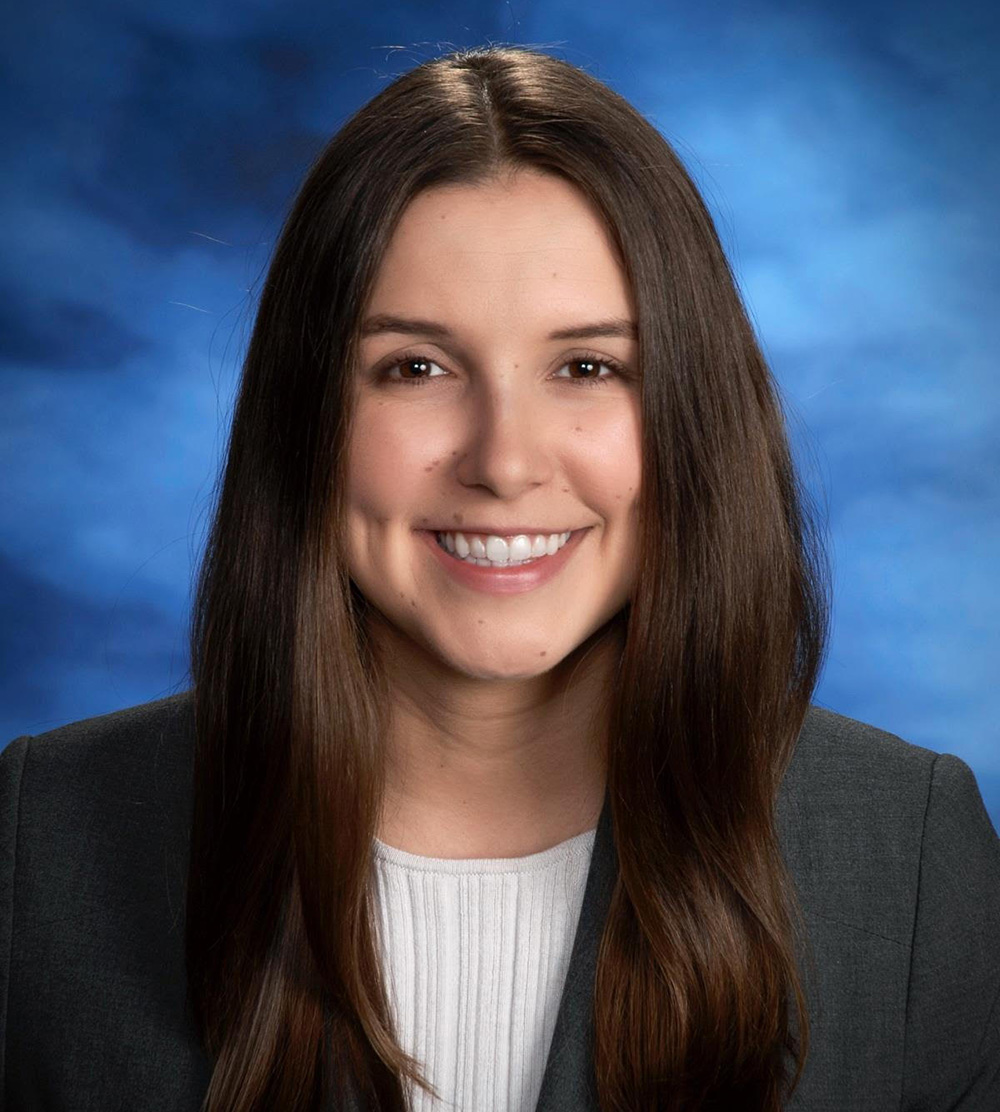
Kelly McGuigan, MD, MS
Kelly McGuigan, MD, MS, is a resident at the Sidney Kimmel Medical College at Thomas Jefferson University FMR Program in Philadelphia, PA. She is a 2026 recipient of a STFM Foundation Faculty for Tomorrow Resident Scholarship.
Dr McGuigan's Family Medicine Story
Why are you interested in teaching family medicine?
Dr McGuigan: My interest in teaching family medicine stems from the same inspiration that led me to choose this specialty in the first place: the influence of great mentors who modeled compassion, curiosity, and joy in their work. As a medical student, I was drawn to the family physicians who not only cared for patients across generations but also demonstrated true passion for primary care and making the lives of their patients better.
During residency, I have had opportunities to teach both medical students and junior residents, but I have been interested in academic family medicine since I met my first mentors in the field. I have been able to teach IUD workshops to our family medicine interest groups, lead students in research, and provide words of wisdom on applications. I especially enjoy mentorship—helping learners navigate the challenges of training while celebrating their growth and accomplishments. Teaching, for me, is not just about knowledge transfer; it’s about shaping a mindset of curiosity, empathy, and lifelong learning. This is what made family medicine stand out to me.
I am also passionate about curriculum development for residents and students. Currently, I am working on creating an obstetric ultrasound curriculum for our residency program. This project has shown me how rewarding it is to translate my clinical interests into educational innovation. Building structured opportunities for hands-on learning—especially in areas like maternal care that are vital to family medicine—reminds me how much thoughtful curriculum can elevate both learner confidence and patient care. Another goal I have is to start a 4th-year Family Medicine Leadership elective for medical students going into family medicine—an idea I learned about at a prior STFM conference on medical student education.
Ultimately, I am drawn to teaching because it allows me to invest in the next generation of family physicians. I believe that by sharing my enthusiasm for comprehensive, relationship-centered care, I can help learners see the incredible breadth and impact of family medicine. The field has given me mentors who inspired me to find joy and meaning in this work; I hope to pay that forward with everything I do.
How do you think you can make a difference in the future of family medicine?
Dr McGuigan: My goals in family medicine are two-fold: to advance clinic care, medical education, and access to primary care; and to develop other providers that share the same positivity and passion. I believe the benefit of family medicine lies in its diversity. It can adapt to the needs of the community; the provider is the foundation for people to access the medical system.
I have always had a specific interest in maternal-child health. The first postpartum dyad visit I did as a student with my attending sealed the deal for my future goals. There has always been a need for more providers and research in women’s health. Even where I practice in the beautiful city of Philadelphia, surrounded by hospital systems, the wait to see an ob-gyn is months long. For our patients, many other barriers also stand in their way. I want to strengthen that role by helping residents and students gain both confidence and competence in caring for women and growing families. Developing our obstetric ultrasound curriculum has shown me that even small curricular changes can transform how learners engage with prenatal care. My hope is to expand that approach—to build training that empowers future family physicians to provide full-spectrum family medicine with skill and compassion.
Beyond clinical education, I aim to make a difference through mentorship and representation. Many students enter medical school passionate about primary care but lose sight of that path amid competing pressures. I want to be the kind of mentor who reminds learners that family medicine is not only vital but deeply fulfilling—that it offers the privilege of building lifelong relationships with patients and communities. By fostering a culture of support and enthusiasm among trainees, I hope to help sustain and grow the workforce our patients need. In short, I want to make a difference by teaching and mentoring in a way that keeps the heart of family medicine alive: caring for people through all stages of life, and inspiring others to do the same.
Contribute to the Creation of the Next STFM Story
Transforming the future of family medicine would not be possible without the generosity of countless STFM members and supporters. Through both member and departmental donations, the STFM Foundation is able to support the pipeline for academic family medicine.
Help transform the future of academic family medicine by donating to the STFM Foundation. If you have questions about the STFM Foundation, contact Mindy Householder at (800) 274-7928 or mhouseholder@stfm.org.