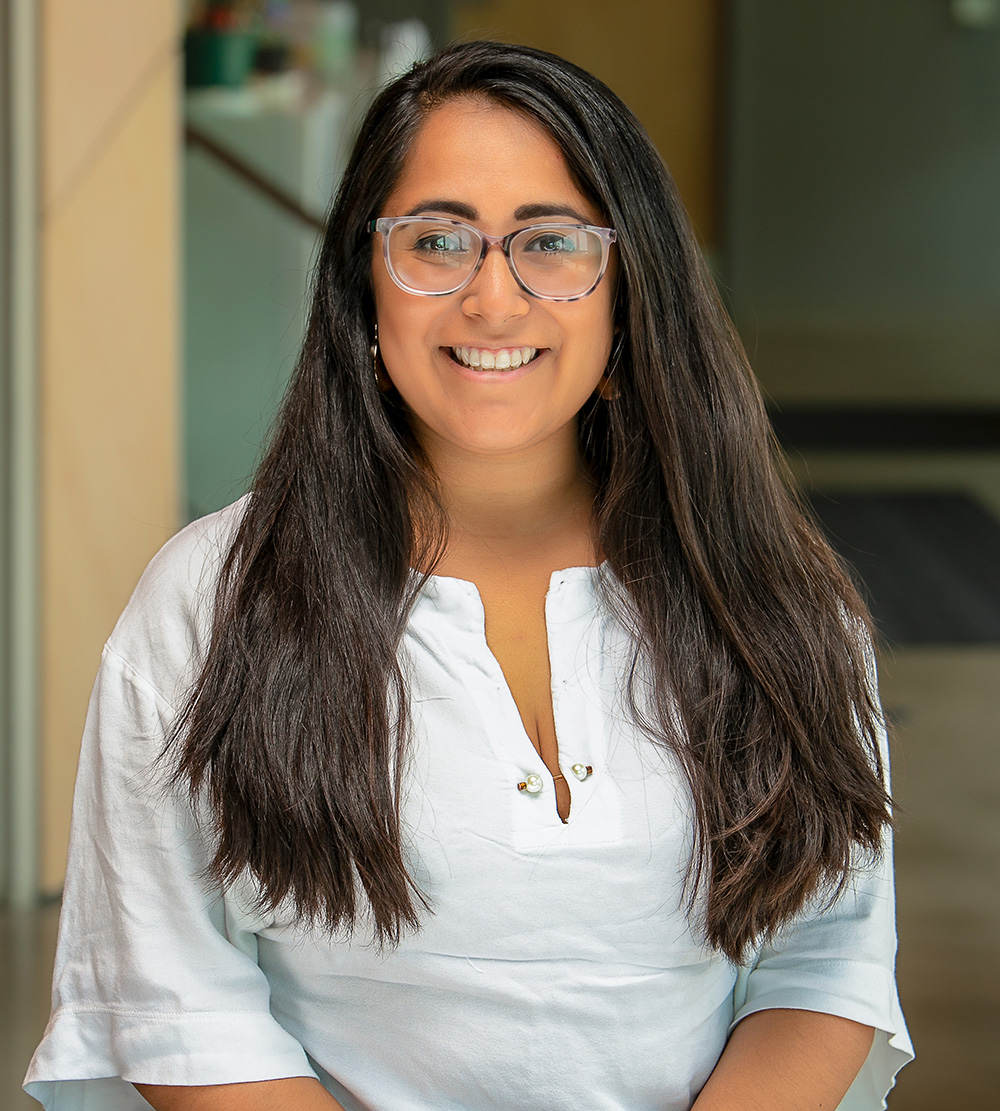
Laura Alejandra Gonzalez, MD MPH
Laura Alejandra Gonzalez, MD MPH, is a resident at the RUSH-Esperanza FMR Program in Chicago, IL. She is a 2026 recipient of a STFM Foundation Faculty for Tomorrow Resident Scholarship.
Dr Gonzalez's Family Medicine Story
Why are you interested in teaching family medicine?
Dr Gonzalez: My interest in teaching family medicine is deeply rooted in both my personal experiences and my professional journey. Having trained and worked across diverse healthcare systems in Mexico and the United States, I have seen firsthand the critical role family medicine plays in advancing health equity. I am drawn to teaching because it allows me to bridge my clinical expertise, public health training, and lived experiences into meaningful mentorship for the next generation of family physicians.
My passion for family medicine began with my own vulnerable experience navigating maternal health in a rural community in Mexico. Despite raising concerns during preterm labor, I was dismissed by providers, which ultimately led to an emergency cesarean section. This experience showed me the importance of listening to patients, honoring their concerns, and ensuring care that is culturally responsive and patient-centered. It also underscored how critical it is for physicians to be trained to recognize and address the disparities that underserved populations face. Teaching family medicine offers me the opportunity to prepare residents to become compassionate clinicians who not only treat illness, but also advocate for patients when they feel unheard.
As chief resident in the RUSH-Esperanza Family Medicine Program, I have embraced leadership roles that allow me to mentor peers while promoting wellness and professional growth. My work as a surgical technologist, first assistant, and resident has given me a strong foundation in full-scope family medicine, with an emphasis on obstetrics. At the same time, pursuing my MPH while in residency has equipped me with the skills to analyze health disparities, implement community-based interventions, and understand the systemic challenges that shape patient outcomes. These experiences make me eager to teach not only clinical skills but also the values of equity, advocacy, and community engagement.
I have also actively pursued opportunities to contribute to academic medicine, by developing a rural obstetrics elective rotation, expanding training for residents in underserved communities, which I presented at the FMM conference. I also presented on integrating rural rotations into residency programs previously at STFM and co-led a seminar on cultural humility in practice at FMM. These experiences affirmed for me that teaching is not only about transmitting knowledge, but also about sparking curiosity, building confidence, and inspiring learners to serve with integrity.
Ultimately, my goal in teaching family medicine is to shape physicians who see the whole patient—their family, community, and cultural context. I want to guide learners to approach medicine with compassion, clinical excellence, and humility. Teaching provides the opportunity to multiply impact: by training others, I can extend my commitment to equitable, patient-centered care far beyond the scope of my own practice. Family medicine is about connection, continuity, and advocacy, and I am committed to ensuring that future physicians are prepared to uphold those values in their practice.
How do you think you can make a difference in the future of family medicine?
Dr Gonzalez: I believe I can make a difference in the future of family medicine by combining my clinical training, public health perspective, and leadership experience to advance equity, expand access to comprehensive care, and inspire future physicians to practice with both compassion and cultural humility. My path through medicine has shown me the profound impact family physicians can have—not only in the exam room, but also in shaping communities, policies, and systems of care. I see my role as both a clinician and educator who can strengthen the next generation of family medicine leaders.
Professionally, I have built a foundation in both full-spectrum clinical practice and public health. As chief resident in the RUSH-Esperanza Family Medicine Program, I have learned how leadership in family medicine means creating supportive learning environments while advocating for system improvements. My Master of Public Health training gave me tools to assess community health needs, analyze disparities, and develop interventions such as diabetes education and PACE program planning. This dual background allows me to bridge the clinical and community perspectives, showing future physicians how family medicine can extend its reach beyond the clinic walls to address root causes of poor health.
One of the areas where I see myself making a direct impact is in maternal health. I developed and implemented a rural obstetrics elective to expand training in underserved communities, with the goal of preparing residents to meet ACGME requirements while also strengthening skills in high-need areas. This type of initiative not only addresses workforce shortages but also ensures that patients in rural and underserved communities have access to quality, comprehensive care. I plan to continue innovating in residency education, expanding training opportunities in rural and marginalized settings, and mentoring residents who aspire to full-scope practice.
I am also committed to advancing cultural humility in family medicine. Having grown up on the southeast side of Chicago with family roots in rural Mexico, I understand the importance of culturally relevant and language-appropriate care. My academic presentations and seminars on cultural humility and immigrant health are part of my broader goal to prepare physicians to deliver care that respects the lived realities of their patients. This type of training will be increasingly important as family medicine continues to serve diverse populations facing structural barriers to health.
Ultimately, my goal in teaching family medicine is to shape physicians who see the whole patient—their family, their community, and their cultural context. Teaching provides the opportunity to multiply impact: by training others, I can extend my commitment to equitable, patient-centered care far beyond the scope of my own practice.
Contribute to the Creation of the Next STFM Story
Transforming the future of family medicine would not be possible without the generosity of countless STFM members and supporters. Through both member and departmental donations, the STFM Foundation is able to support the pipeline for academic family medicine.
Help transform the future of academic family medicine by donating to the STFM Foundation. If you have questions about the STFM Foundation, contact Mindy Householder at (800) 274-7928 or mhouseholder@stfm.org.