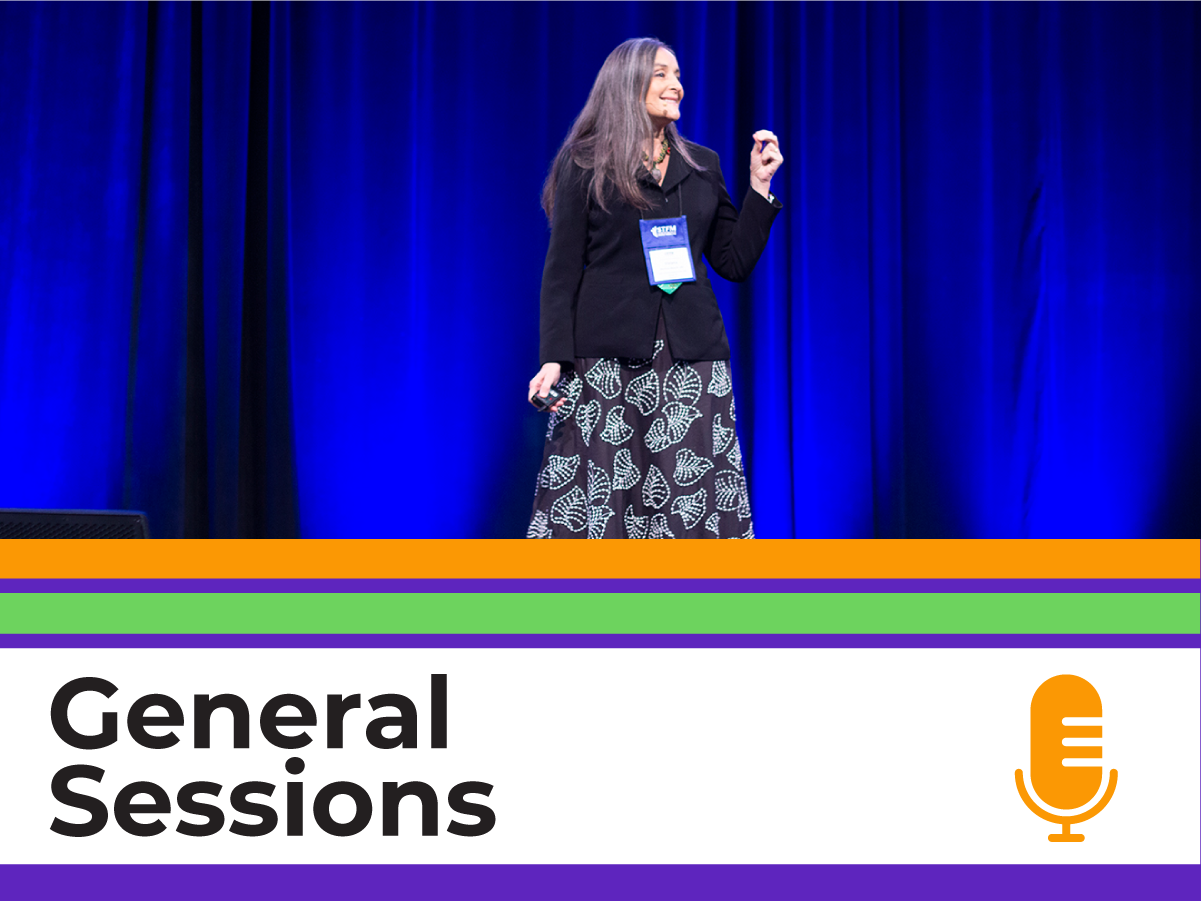
General Sessions
Kevin Bennett, PhD
South Carolina Center for Rural & Primary Healthcare
Leland Blanchard Memorial Lecture: The Primacy of Primary Care—How Rural Can Lead the Way
Session Overview
Dr Bennett will discuss how rural healthcare, and primary care in particular, has evolved over the years, and how rural communities have adapted in response. Innovative delivery models, workforce, and other solutions will be discussed, particularly in the context of the current policy environment. Opportunities for rural primary care to pave the way for new models of care will be discussed as a springboard for future work.
Learning Objectives
Upon completion of this session, participants should be able to:
- Describe the current landscape of innovative rural models of care delivery.
- Understand the impact of federal and state policies on rural care.
- Describe how rural primary care can revitalize health care delivery.

About the Presenter
Dr Bennett is a professor of Family & Preventive Medicine at the University of South Carolina in Columbia, SC. He serves as the director of the South Carolina Center for Rural and Primary Healthcare. He also serves as the immediate past president of the National Rural Health Association.
Dr Bennett's work focuses on improving health care delivery for marginalized and underserved communities, particularly in rural areas, while examining the influence of national, state, or local policies and legislation on these populations. He has worked extensively with community groups, rural health networks, health care systems, and state agencies to pioneer and assess innovative care delivery programs. He also has an extensive publication history examining the disparities in health care access, quality, and outcomes experienced by rural populations.
Raven Solomon
Future-Ready Inclusion™
Closing the Generational Gap—Unify Generations to Build Future-Ready Teams and Organizations
Session Overview
For the first time in history, up to five generations are working side by side in the workplace. This unprecedented diversity can lead to friction, miscommunication, and productivity stalls, setting the stage for potentially harmful work environments. When generational differences are not just understood but actively leveraged, they become a powerful tool for driving higher performance, employee satisfaction, and creating future-ready workplaces.
This engaging program captivates participants of all ages as it explores both the differences and similarities across the various generations in the workforce. It will demonstrate how these insights are not only relevant
but essential for building resilient, future-ready organizations. Attendees will learn how to foster a workplace culture that embraces these generational nuances to fuel innovation and collaboration.
Participants will leave with a deep understanding of the characteristics unique to each generation, the underlying reasons for these traits, and practical insights into how these can manifest in workplace behaviors.
More importantly, they will learn how to harness this knowledge to create cross-generational synergy that not only drives immediate results but also positions their organizations to thrive.
Learning Objectives
Upon completion of this session, participants should be able to:
- Explore and gain a thorough understanding of the unique characteristics and underlying motivations of each generation in the workforce, and how they influence workplace behaviors.
- Develop and apply effective communication strategies tailored to engage and resonate with each generational group.
- Acquire practical techniques to enhance leadership and collaboration across different age cohorts.
- Discover how to harness generational differences to foster a future-ready inclusive culture that promotes innovation, agility, and continuous improvement.
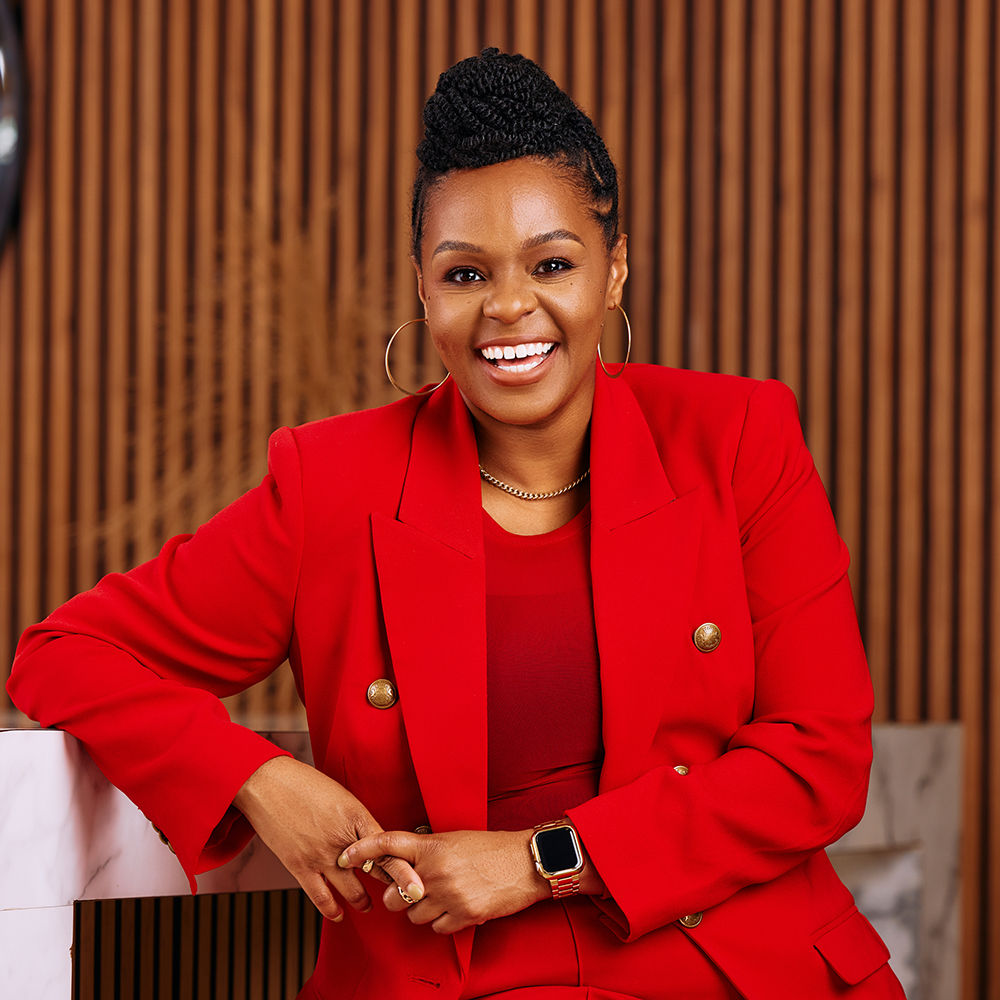
About the Presenter
Raven Solomon is a futurist, global inclusion thoughtleader, and a nationally recognized Certified Speaking Professional (CSP®) who prepares today’s generations of leaders and teams for the realities of tomorrow through Future-Ready Inclusion™.
Raven's mission is simple: to make spaces more inclusive. Through equipping people with the mindset, skillset, and toolset to be more inclusive in their decisions, practices, and everyday interactions, Raven is on a mission to prepare the workplace and marketplace for the people and perspectives of the future.
She is the author of Leading Your Parents: 25 Rules to Effective Multigenerational Leadership for Millennials and Gen Z, where she shares leadership principles and practical advice for young professionals seeking to transition into leadership positions in today’s evolving workplace, and the founder of the Charlotte-based Center for Next Generation Leadership and Professional Development, a startup focused on providing soft-skill development to the leaders of tomorrow.
Raven is the host of The DEI ER, a weekly LinkedIn audio event gathering hundreds of inclusion professionals and advocates to advance inclusion, and The Generational View, a podcast centering cross-generational dialogue about important matters impacting society, culture and the workplace.
Raven has helped tens of thousands, from podiums around the world, close the gaps inside of dozens of industry-leading companies, and create sustainable cultural change. She’s advised the c-suites of global household brands on leading in the future of work.
As the valedictorian of her college graduating class and one of the youngest-ever executives in the Fortune 50 CPG company with which she spent nearly a decade, she has always shown that her approach to leading, developing, and influencing people yields results.
Erin P. Fraher, PhD, MPP
University of North Carolina
Physician Careers from Entry to Exit: Shaping Primary Care Workforce Policy Through a Life Course Lens
Session Overview
Nearly 100 million Americans currently lack a usual source of primary care—a number that has doubled in recent years. Despite billions of dollars of public funding invested annually in training the physician workforce, the United States continues to face challenges in ensuring an adequate supply of physicians in the right places and practice settings to meet population health needs. Physician shortages are plaguing hospitals, long-term care facilities, mental health organizations and primary care practices. The COVID-19 pandemic exposed the fragility of our health workforce ecosystem and underscored how little we understand about the factors influencing physicians’ practice behaviors, especially mid- to late-career transitions.
Past research on physicians’ career transitions, including the decision to practice in rural communities, reduce hours worked or leave the workforce entirely has demonstrated the importance of age and gender. However, little is known about how male and female physicians in different generational cohorts are influenced by changing social norms, the rapidly changing medical practice context and external shocks like the pandemic. This presentation will explore the contributions of life course theory to improving our understanding of physician careers. Using a unique dataset of North Carolina physicians, we will examine how the interplay of a physician’s age, gender, and generational cohort can influence decisions to temporarily exit practice and retire.
Applying a life course theory lens, this presentation will illuminate patterns in physician career transitions that have been largely overlooked by traditional workforce planning approaches. Our findings suggest that while current policy efforts focus on early-career transitions, they underinvest in strategies to retain experienced physicians and re-engage those who have left the workforce. This research has critical implications for designing more dynamic and sustainable workforce policies that support physicians across the entire span of their careers.
Learning Objectives
Upon completion of this session, participants should be able to:
- Explain the principles of life course theory and understand its relevance to physician career trajectories and transitions.
- Recognize that physician careers are dynamic and identify how investments in the primary care workforce need to be tailored to age, gender, generational cohort and career stage.
- Apply findings from the presentation to inform strategies used by educators, employers, regulators, certifying bodies, professional organizations, and policymakers to ensure an adequate, well-distributed, and well-trained physician workforce..
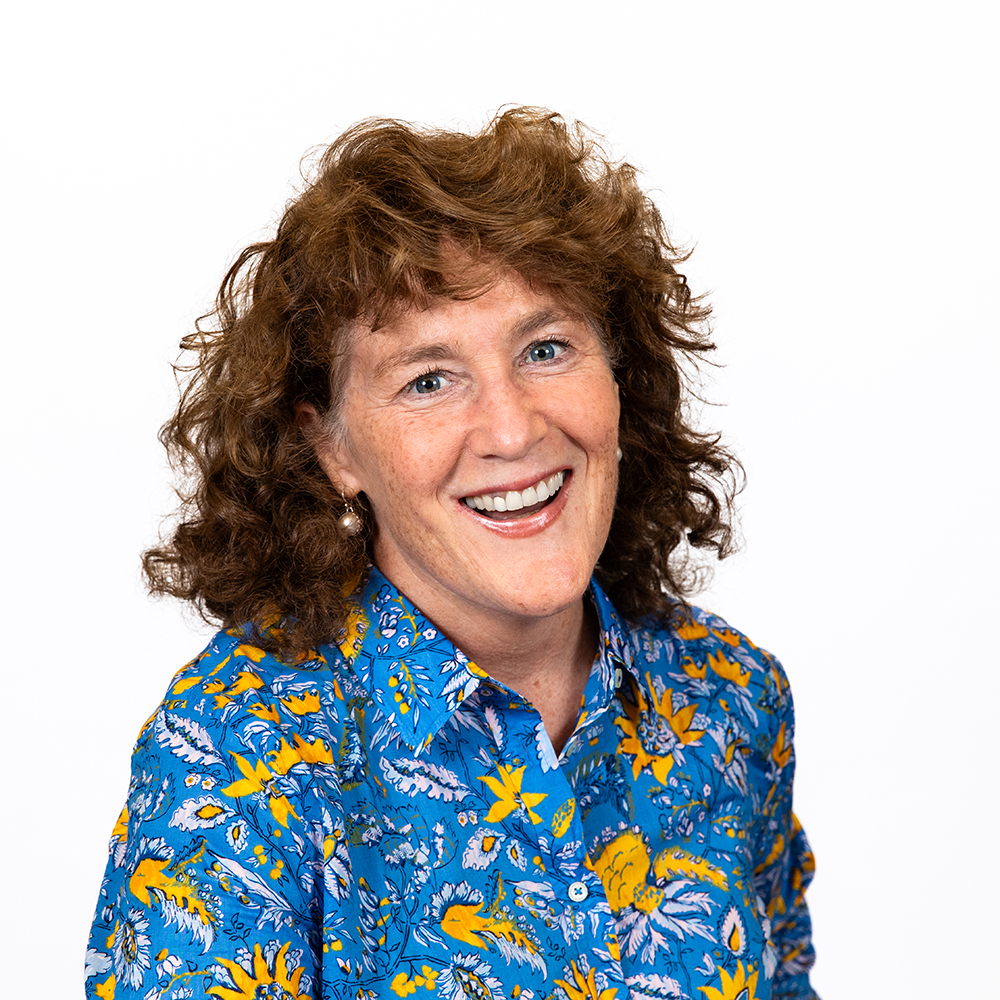
About the Presenter
Erin P. Fraher, PhD, MPP, is a professor at the University of North Carolina at Chapel Hill’s Department of Family Medicine and co-director of the Program on Health Workforce Research & Policy at the Cecil G. Sheps Center for Health Services Research. She directs the Carolina Health Workforce Research Center, one of nine HRSA-funded centers for health workforce research.
Dr Fraher’s research focuses on graduate medical education, interprofessional teams and new models of care, workforce projections and using life course theory to better understand health professionals’ career trajectories. She has served as an expert advisor to the National Academy of Medicine in multiple roles and is the immediate past Chair of the Council on Graduate Medical Education (COGME), which advises the Secretary of the U.S. Department of Health and Human Services and Congress on workforce trends, training issues, and financing policies.
Dr Fraher is a member of the Congressional Budget Office’s Panel of Health Advisors. She has worked for the National Health Service England, the Ministry of Health in New Zealand and the College of Nurses of Ontario in Canada. She has a Bachelor of Arts from Wellesley College, a Masters in Public Policy from the University of California at Berkeley and a PhD in Health Policy and Management from the University of North Carolina at Chapel Hill.
Questions?
If you have questions about this conference, contact Kim Sevedge at (800) 274-7928 or the email link below.
CONTACT STAFF WITH QUESTIONS