- Ease the administrative burden on community faculty (preceptors) at ambulatory clinical sites by standardizing documentation
- Help preceptors integrate students more easily into the practice
- Increase student value to practices
- Aid teaching programs in administering clinical clerkship (rotation) experiences
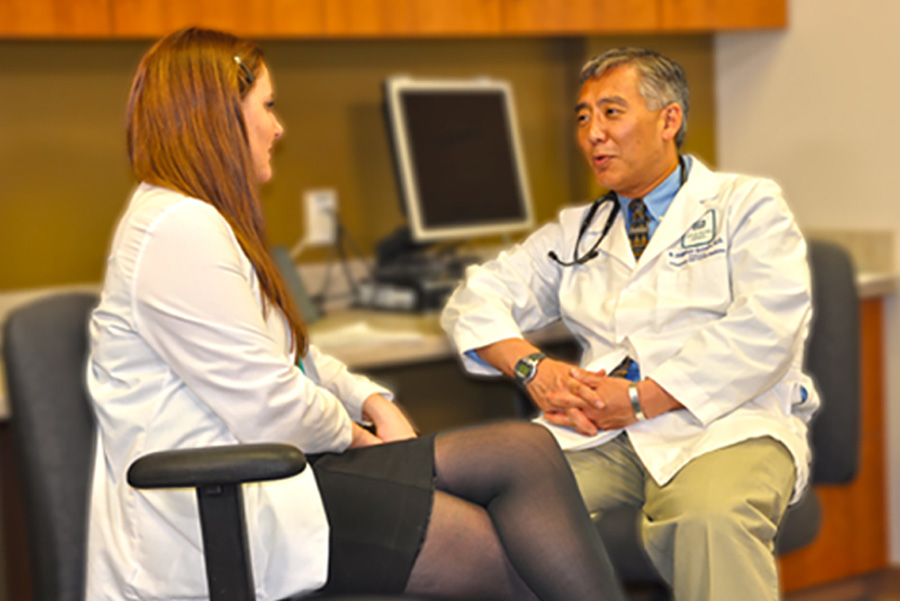
Consider bringing together key stakeholders at your school to discuss a process for implementing the following resources at your institution.These resources were created by the Tactic 3 Team of the Preceptor Expansion Initiative with funding by the Society of Teachers of Family Medicine, the American Board of Family Medicine Foundation, and the Physician Assistant Education Association.
What Are the Goals of the Clerkship Onboarding Implementation Guide?
Get Started With the Clerkship Onboarding Resources
Education for Students on "How to Be Awesome in Your Ambulatory Clinical Rotation"
Have your students review this brief document before beginning their clinical rotations. Encourage the mindset—with students and preceptors—that students are at clinical sites both to learn and to add value to the clinical practice. This document includes practical strategies and tips for students about how to maximize their time at an ambulatory clinical rotation.
Online Training Modules for Students
Direct students to complete all three of STFM's online modules before they begin clinical rotations. Each of the modules takes approximately 20–25 minutes to complete, and can be accessed and reviewed at any time. Students need to attest to completion of these modules when filling out the Student Passport. If you want to request additional proof of completion of the modules, students can also download and email certificates of completion after finishing each module. The following three topics are covered:
- How to Write a High-Quality Note in the Electronic Medical Record
- How to Perform Medication Reconciliation
- Motivational Interviewing: a Structured Approach to Behavior Change
Student Passport
The online passport should be completed or updated before each rotation. This document is used to quickly provide each preceptor with basic information about the student's training, screenings, previous clinical rotations, and objectives for the current clinical rotation. The passport can be updated and re-downloaded repeatedly as students gain clinical and procedural experience.An administrator at the school needs to email the completed student passport and the Confirmation of Readiness for Clinical Work letter to the preceptor and the clerkship training site.Here are the steps:
- The student fills out a Student Passport at the online passport site by uploading the necessary information. After completing the passport, the student can download a PDF form of their own Student Passport.
- The student emails the Student Passport to the designated administrator at their school and requests that he or she complete this letter to verify Confirmation of Readiness for Clinical Work. This letter includes a checklist to confirm that the student has completed necessary trainings such as HIPPA and blood-borne pathogens, has up-to-date immunizations and other health screenings, and is covered by current health and liability insurance.
- After filling out the Readiness for Clinical Work letter for the student, your administrator shares the letter and the completed Student Passport with the preceptor and the clinical rotation site.
AAMC’s Recommendations for Preclerkship Clinical Skills Education for Undergraduate Medical Education
As you're preparing your students for their clerkships, be sure to consider whether your preclerkship curriculum meets the goals and objectives in these national recommendations. Use the appendices beginning on page 19 to determine where there are gaps in your current preclerkship curriculum and develop strategies for filling those gaps.
How Medical Students Can Use the Clerkship Onboarding Guide
- Get practical tips on "How to Be Awesome in an Ambulatory Clinical Rotation"
- Complete online modules on: "High Quality Clinical Notes"; "How to Perform Medication Reconciliation"; and "Motivational Interviewing: a Structured Approach to Behavior Change”
- Fill out a student passport that provides preceptors with basic information about the student's training and objectives for the current rotation. Clerkship coordinators submit the passport, along with a Readiness for Clinical Work letter, to clerkship sites to streamline the onboarding process and ensure that students are ready to learn and contribute when they begin their clerkship
Frequently Asked Questions About the Clerkship Onboarding Implementation Guide
Who is the primary audience for the student modules?
The modules are for physician, physician assistant, and nurse practitioner students who are rotating through family physician offices for clinical rotations. Students will learn how to maximize their learning and add value to the practice during their clinical rotations.
Do you need to have an STFM account to access the student modules?
No! The online modules are available without needing a login or STFM account.
Can faculty or preceptors access the student modules?
Yes, these modules are freely available to anyone who wants to take them.
Is there a way to track whether students have completed the modules?
After a student has completed the module, he or she can download a certificate of completion for each module. If your school wants proof that your students have completed the modules, simply ask them to email their certificates of completion to an administrator.
What is the main purpose of the student passport?
The passport is a document that is useful for both the preceptor and the administrators at the clinical rotation site office. It introduces the student to the preceptor by describing the student's background and clerkship goals, while also serving as a very brief HR onboarding document with details like emergency contact details and evidence that the student is ready for clinical work.
Who sends the student passport and Confirmation of Readiness for Clinical Work letter to the preceptor?
An administrator at the school needs to email the completed student passport and the Confirmation of Readiness for Clinical Work letter to the preceptor and the clerkship training site.The steps of the process are:
- The student fills out a Student Passport with all of the necessary information at the Student Passport site. After completing the passport, the student is able to download a PDF form of their own Student Passport.
- The student emails the Student Passport PDF to the designated administrator at their school and requests that he or she complete this letter to verify Confirmation of Readiness for Clinical Work. This letter includes a checklist to confirm that the student has completed necessary trainings such as HIPPA and blood-borne pathogens, has up-to-date immunizations and other health screenings, and is covered by current health and liability insurance.
- After filling out the Readiness for Clinical Work letter for the student, your administrator shares the letter and the completed Student Passport with the preceptor and the clinical rotation site.
Can a student update their student passport as they continue to gain rotation and procedural experience throughout the year?
The passport form is created online precisely so that students could easily continue to update it online all year long (and the following 2 years) as their experiences grow. Once they've created an account on the passport site, it saves all of their information, so they can just log back in, update some details about their experiences, and download a new version for their next clerkship. However, the user account will be deleted after 3 years.
Can a school edit or modify the content of the student passport?
No, the student passport downloads as a single PDF document and the content within it cannot be modified by an institution. The goal is for institutions to use the same standardized passport so that a given community preceptor will be getting the same information and going through the same process with any student whom he/she might be precepting.
Can a school or preceptor share just one page of the passport with their clinic staff team?
The first page of the passport quickly introduces a student to the preceptor and clinic team, and can be printed out and posted on a internal bulletin board for the benefit of staff. If you are interested in extracting and saving just that page to email or share, you have several options, depending on your computer and software. Methods 2 & 3 at this link show how to save just one or two pages of a PDF into a new document.
Questions?
If you have questions about the Clerkship Onboarding Implementation Guide, contact Brian Hischier, manager of online education, at (913) 800-5198 or the email link below.
CONTACT STAFF